

Mineral and Toxic Metal
Fur Analysis
Diet and environment play a major role in the health of our pets. With a simple fur sample, we can check for long-term issues with both.
Fur Mineral Analysis
Fur is the only matrix suitable for studying a long period of exposure to pollutants or dietary deficiencies for macro and microminerals in dogs and cats. Pollutants circulating in the blood, through ingestion or inhalation, are automatically captured by the follicle of the fur when it grows and stays intact. By analyzing fur, we can assess any prolonged exposures to potentially harmful minerals and metals, as well as identify any shortcomings the pet’s diet may have.
Fur Mineral Analysis (sometimes called Hair Tissue Mineral Analysis or HTMA) is most often indicative of slow, long-term (ie progressive) problems, not acute or transient issues. For this reason, abnormal results aren’t typically viewed at critical emergencies, however further investigation, bloodwork, or diagnostics may be suggested. Learn more about the Mineral and Toxic Metal Fur Analysis by scrolling down.
30 Elements Tested
- 16 Nutritional Minerals
- 10 Environmental Minerals
- 4 Toxic Metals
Test & Treat
- Mineral supplement recommendations for nutritional deficiencies
- Detoxification protocol when toxic metals are present
VDI DOES NOT wash the fur at the lab

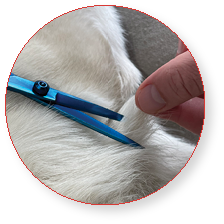
Just a little fur.
Collect Fur
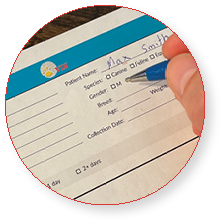
Complete Forms
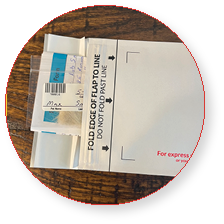
Pack & Ship
OR
Which pets should test?
- ADR pets with undiagnosed signs
- As part of general wellness screening
- Pets living in industrial/manufacturing area
- Pets living around commercial farming
- Pets exposed to chemically treated areas (lawns, landscaping, public areas)
- Pets that eat inorganic objects (toys, remotes, items with batteries, food packaging, etc)
- Pets on a high-fish diet
What’s Needed?
- A small, fur sample. No cleaning required.
- No blood, no stool, no liquids
VDI DOES NOT wash the fur at the lab
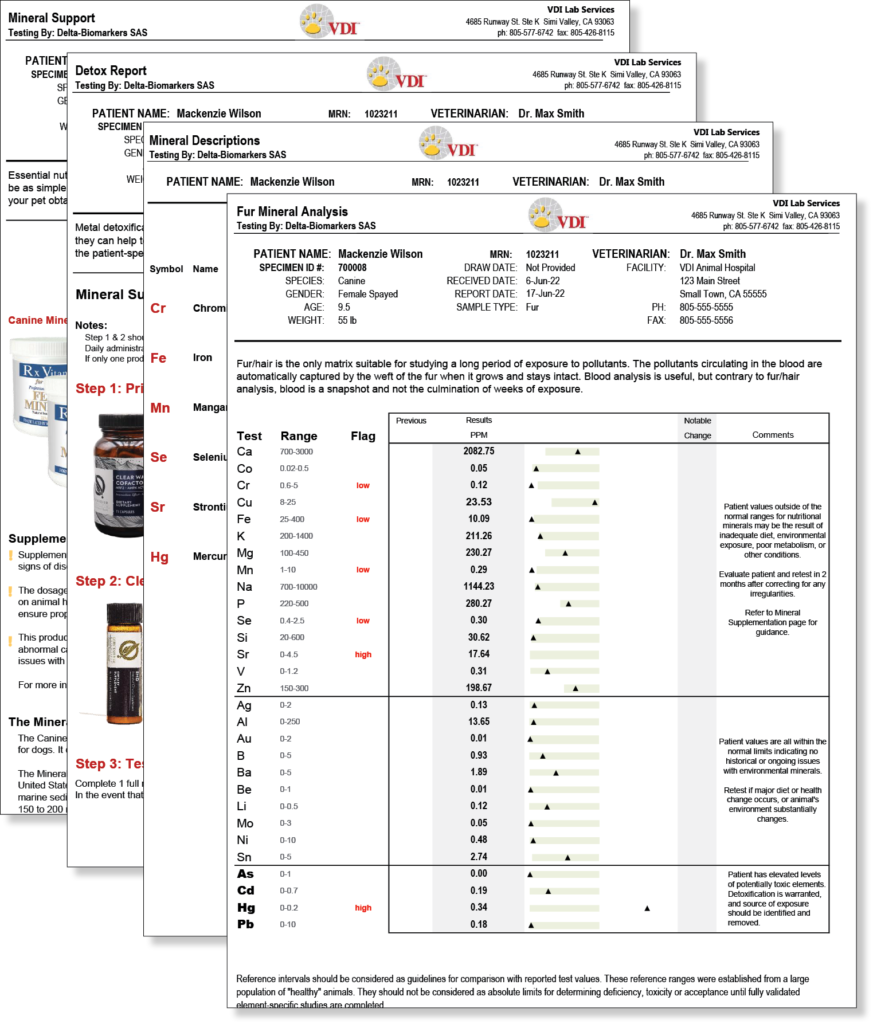
Reports Include:
- 30 Mineral & Metal values
- Description of elements outside of reference range
- Trending data if repeat testing is done
- Detoxification protocol (if warranted)
- Mineral Supplementation Guidelines (if warranted)
- Recommended products for both detox and supplementation
Sample Reports:
Mineral & Toxic Metal Fur Analysis

OR
Gold-Standard Element Testing
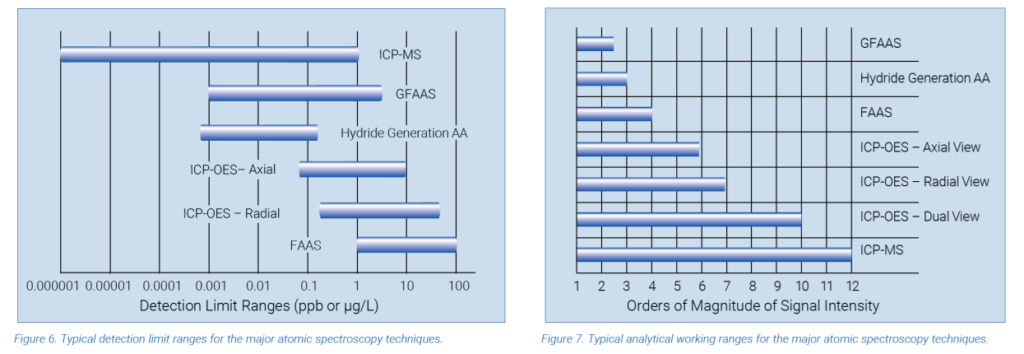
Fur analyzed by Triple Quadrupole Inductively Coupled Plasma Mass Spectrometry (ICP-MS). ICP-MS is the gold standard to measure elements at trace levels in biological fluids because of its high sensitivity, its high degree of selectivity, and its good precision for determining many elements in the periodic table. ICP-MS is far superior to Flame Atomic Absorption Spectrophotometry (FAAS) and is the method of choice to measure nutritional and toxic elements.
Meet the Elements – Nutritional
| Name | Symbol | Description |
|---|---|---|
| Calcium | Ca | Calcium is an essential mineral supporting bone and tooth structure, muscle contraction, nerve signaling and cellular function. Dietary sources include complete pet foods, bone/mineral ingredients, dairy and supplements. |
| Cobalt | Co | Cobalt is biologically important because it forms the central atom of vitamin B12 (cobalamin), which supports red blood cell production, neurologic function and cellular metabolism. Dietary sources of cobalamin include organ meats, meat, fish, eggs and fortified foods. |
| Chromium | Cr | Chromium is an ultratrace element present in meats, grains, yeast and many canine diets. Trivalent chromium has been studied for effects on insulin signaling and carbohydrate and lipid metabolism, making glucose regulation its principal area of biological interest. |
| Copper | Cu | Copper is an essential cofactor for iron metabolism, connective tissue, antioxidant defense and pigmentation. The liver regulates copper storage and excretion; excessive intake or impaired biliary excretion can cause hepatic accumulation in susceptible dogs. |
| Iron | Fe | Iron is essential for hemoglobin formation, oxygen transport, energy metabolism and many enzymes. Dietary sources include meat, organ meats and fortified diets. High exposure can also occur from iron supplements, fertilizers, hand warmers or oxygen-absorber packets. |
| Iodine | I | Iodine is required for thyroid hormone production and therefore supports normal metabolism, growth and development. Both inadequate and excessive intake can alter thyroid function in dogs. Dietary sources include complete pet foods, fish, eggs and seaweed or kelp supplements. |
| Potassium | K | Potassium is the major intracellular electrolyte and is essential for nerve conduction, muscle contraction, cardiac rhythm and acid-base balance. It is supplied by complete pet foods and many meat, fish, vegetable and fruit ingredients. |
| Magnesium | Mg | Magnesium is an essential mineral and enzyme cofactor involved in energy metabolism, neuromuscular function, electrolyte balance and bone. Dietary sources include whole grains, legumes, nuts, leafy vegetables, fish and complete pet foods. |
| Manganese | Mn | Manganese is an essential trace mineral and enzyme cofactor involved in cartilage and bone formation, metabolism and antioxidant defense. Dietary sources include whole grains, eggs, legumes, leafy vegetables and mineral premixes used in complete pet foods. |
| Sodium | Na | Sodium is the principal extracellular electrolyte and supports fluid balance, nerve transmission, muscle contraction and acid-base regulation. Dietary sodium comes primarily from complete pet foods, meats, fish and added salts. |
| Phosphorus | P | Phosphorus works closely with calcium in bone and tooth mineralization and is also essential for cellular energy, membranes and acid-base balance. Major dietary sources include meat, fish, bone, dairy and added phosphate salts. |
| Selenium | Se | Selenium is an essential trace nutrient incorporated into selenoproteins supporting antioxidant defense, thyroid hormone metabolism and immune function. Sources include meat, fish, eggs and supplemented complete pet foods. |
| Silicon | Si | Silicon is a naturally occurring trace element found in grains, rice, vegetables, water and soil. It is associated with connective and mineralized tissue biology and has been studied for potential roles in bone and collagen metabolism. |
| Strontium | Sr | Strontium is chemically similar to calcium and follows many of the same absorption and mineralization pathways. Absorbed strontium can incorporate into bone and hair, so fur levels may reflect exposure to strontium-containing mineral sources in food, water, soil or bone-rich ingredients. |
| Vanadium | V | Vanadium is an ultratrace element found in grains, vegetables, oils and seafood. At pharmacologic concentrations it can mimic some insulin actions and influence glucose metabolism, an effect studied in animals. |
| Zinc | Zn | Zinc is an essential nutrient required for enzyme activity, skin and coat health, immune function, wound healing and gene regulation. Dietary sources include meat and fortified diets. Excess exposure can occur after ingestion of zinc-containing metal objects, including post-1982 U.S. pennies and hardware. |
Meet the Elements – Environmental
| Name | Symbol | Description |
|---|---|---|
| Silver | Ag | Silver is a nonessential metal found in jewelry, antimicrobial products and environmental residues. Absorbed silver binds sulfur-containing proteins and can accumulate in tissues. |
| Aluminum | Al | Aluminum is abundant in soil, water, foods and consumer products. Oral absorption is low, and absorbed aluminum is cleared mainly by kidneys; high exposure can allow accumulation. |
| Gold | Au | Elemental gold is chemically stable, poorly absorbed and generally low in oral toxicity. Exposure may come from jewelry or other gold-containing materials. Swallowed objects can still create a gastrointestinal foreign-body risk, while gold salts and nanoparticles have different biological behavior. |
| Boron | B | Boron occurs naturally in fruits, vegetables, water, soil and some pet foods. It interacts with mineral and bone metabolism in experimental animals, while high-dose borate exposure can affect the gastrointestinal tract, kidneys and reproductive tissues. |
| Barium | Ba | Barium occurs naturally in soil, water and some plants. Insoluble barium sulfate is minimally absorbed and is used as a gastrointestinal contrast agent. Soluble barium salts are more readily absorbed and interfere with potassium handling, potentially causing hypokalemia, muscle weakness and cardiac rhythm disturbances. |
| Beryllium | Be | Beryllium is associated mainly with industrial dust, combustion, aerospace and electronics. In experimental dogs, inhaled beryllium oxide produced granulomatous and fibrotic lung disease with beryllium-specific immune responses, making respiratory exposure its best-described canine toxicologic effect. |
| Lithium | Li | Lithium occurs naturally in mineral-rich water and salts and is present in medications and batteries. It is cleared largely by the kidneys; toxic exposure can affect gastrointestinal and neurologic function, while button batteries cause caustic injury. |
| Molybdenum | Mo | Molybdenum is an ultratrace element in legumes, grains, organ meats, water and commercial dog foods. It is incorporated into enzyme systems involved in sulfite handling and purine metabolism. |
| Nickel | Ni | Nickel is a nonessential trace metal found in foods, water, soil, combustion particles and metal-containing materials. Environmental exposure can influence nickel measured in canine blood and hair, while higher systemic exposures can produce gastrointestinal and other toxic effects. |
| Tin | Sn | Tin can enter food from tin-plated cans and occurs at low levels in foods. Inorganic tin is poorly absorbed and relatively low in toxicity; organotin compounds have greater biological activity. |
Meet the Elements – Toxic
| Name | Symbol | Description |
|---|---|---|
| Arsenic | As | Arsenic exposure in dogs can occur through food and contaminated water. Rice-based diets have been associated with higher inorganic arsenic concentrations in canine hair. Toxicity depends strongly on chemical form; inorganic arsenic disrupts cellular energy and enzyme function, and sustained high exposure can affect the gastrointestinal, hematologic, hepatic and neurologic systems. |
| Cadmium | Cd | Cadmium is a cumulative toxic metal acquired mainly through food and environmental exposure. Sources include organ meats, shellfish, some plant ingredients and tobacco smoke. After absorption, cadmium binds metallothionein and accumulates particularly in the kidneys and liver, where chronic exposure can contribute to renal and cellular injury. |
| Mercury | Hg | Mercury exposure in dogs commonly occurs through contaminated fish and fish-based diets. Methylmercury binds sulfur-containing proteins and can affect the nervous system. Controlled canine studies show that fish consumption can increase both blood and hair mercury, making fur useful for evaluating dietary mercury exposure over time. |
| Lead | Pb | Lead exposure commonly comes from old paint, contaminated soil or dust, batteries and other lead-containing materials. Lead disrupts heme synthesis and neurologic function; canine hair can reflect meaningful environmental exposure. |
OR
Test & Treat
Mineral Deficiencies
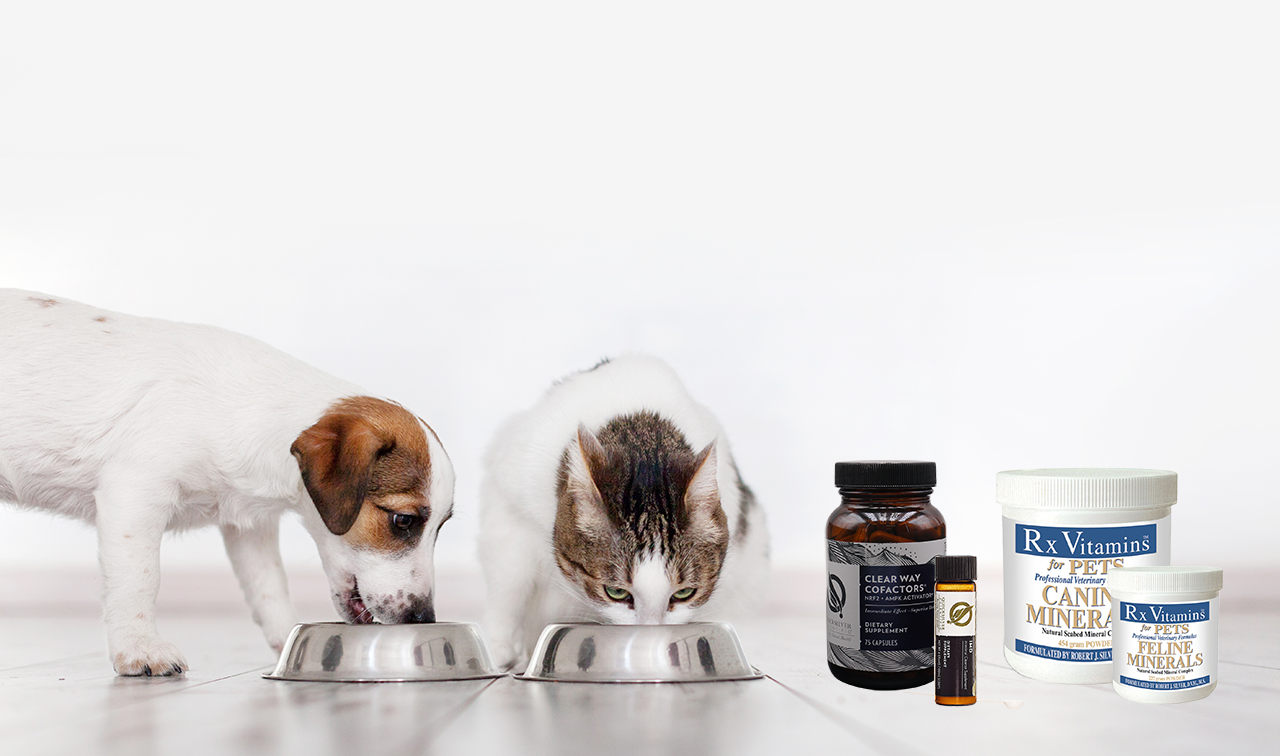
When nutritional minerals are low, supplementation may be required. Patient-specific dosing & recommended products are included with any lab report when supplementation is warranted. VDI works with reputable partners to provide safe, proven and effective products to correct deficiencies found from poor diets.
- Patient-specific dose
- Recommended product
- Clear guidelines for simple supplementation
Detoxification Protocol
Metal detoxification can be done safely and effectively using a combination of plant-based products. When used in conjunction they can help to remove unwanted toxins from the body and restore the natural ecosystem in the animal. VDI provides two part, patient-specific, detox regimen for any patients having elevated levels of toxic metals.
Step 1: Prime
Utilize a plant-based antioxidant blend to enhance the body’s natural elimination of toxins out of cells while protecting structures that may be vulnerable to the newly released toxins.
Step 2: Clear
Utilize a silica blend product to bind to the newly released metals and aid in the removal and excretion of the toxins through the gut while protecting the kidneys.
Retest
After a full 2-month cycle on the detox protocol, it’s recommended that the pet be retested to ensure the metals have been cleared. If not, then a second round of detox may be warranted, or we consult with our expert partners in metal detoxification to include other products shown to be effective in eliminating toxins.